Running an independent enterprise today requires a steady stream of genuine enquiries rather than vanity metrics. Effective digital marketing for small business in India has shifted away from chasing empty likes and generic impressions toward building verifiable trust with local buyers. Whether you operate a retail showroom, a regional manufacturing unit, or a professional clinic, winning customers online now comes down to transparency, clear communication, and consistent follow-through.
Why Trust Replaced Vanity Clicks in 2026
For years, many agencies measured success strictly through impressions, clicks, and follower counts. Business owners in commercial hubs like Kakinada, Indore, or Coimbatore spent money on broad advertising campaigns only to receive dozens of irrelevant enquiries and zero repeat sales. Today, buyers across Tier 2 and Tier 3 cities are digitally savvy, skeptical of generic claims, and quick to spot misleading promotions.
Industry observers have pointed out that consumer confidence is now the central performance metric in modern marketing. When people discover a brand online, they immediately look for validation: Google reviews, clear business details, genuine customer feedback, and straightforward pricing indicators. If your brand seems evasive or difficult to reach, potential buyers immediately abandon the enquiry and choose a local competitor they trust.
Shifting your attention toward credibility does not mean spending more money. Instead, it means aligning your promotional efforts with what Indian consumers actually value: prompt replies, dependable service, and authentic proof of work.
Foundations of Digital Marketing for Small Business in India
Before launching paid advertising or experimenting with social media formats, your enterprise needs solid operational foundations. Without these building blocks, ad spend is largely wasted.
1. A Fast, Purpose-Built Digital Storefront
Your website serves as your permanent home on the internet. Social media accounts can suffer algorithm shifts or policy restrictions, but your own domain remains an asset you fully control. Indian consumers frequently browse on mobile networks where connection speeds vary, making load times and clean navigation vital.
A dependable site does not need complex animations. It needs clear product descriptions, straightforward service breakdowns, direct contact details, and visible physical addresses. If your website takes too long to render or buries phone numbers behind complicated menus, visitors simply leave. Investing in professional website development ensures your business establishes credibility from the first second a visitor lands on your page.
2. Cohesive Brand Presentation
Trust is visual as well as transactional. When your storefront board, visiting card, WhatsApp catalog, and social media banners all feature different logos, fonts, and phone numbers, customers subconsciously question your stability. Consistent branding shows prospects that you are an established, reliable firm committed to long-term operations.
3. Clear Value Messaging
Small business owners often make the mistake of describing what they sell instead of explaining what problem they resolve. A commercial refrigeration technician does not just sell servicing; they prevent food inventory spoilage for local restaurants. Framing your service around the customer's immediate need produces higher response rates across every marketing channel.
A Practical 4-Step Strategy to Attract Paying Customers
Executing an effective marketing plan does not require a large internal team. Follow this sequential roadmap to build sustainable momentum.
Step 1: Audit and Strengthen Your Local Presence
Start with the channels customers check first. Verify your business address, operational hours, and primary phone number across search engines and directory listings. Make sure your business categories accurately reflect what you offer today, not what you sold five years ago.
Implement a systematic routine for collecting reviews. After completing a successful project or delivering an order, send a polite message asking the customer to share their honest feedback on your public profile. Respond directly to every review you receive, including critical ones. A professional, calm response to a complaint builds more trust with prospective clients than a dozen identical five-star ratings with no comments.
Step 2: Create Helpful, Solution-Focused Content
Content marketing in India works best when it directly addresses common questions your sales team answers daily. Produce short, clear explanations that solve everyday customer hesitations:
- Detailed cost breakdowns explaining why premium materials or certified technicians cost slightly more.
- Before-and-after photographs of work completed for regional clients, showing recognizable environments.
- Short explainer videos shot simply on a smartphone demonstrating product usage or proper maintenance.
- Step-by-step buyer guides clarifying what permits, specifications, or details a client needs before ordering.
You do not need studio-grade lighting or expensive editing software. Authentic footage showing real staff completing genuine work builds substantially more rapport than generic stock footage downloaded from internet catalogs.
Step 3: Deploy Targeted Paid Campaigns with Clear Filters
Once your profiles and core content are in place, targeted advertising helps introduce your business to active prospects in your district. Avoid running broad awareness campaigns with no geographic or demographic boundaries. Instead, set strict radius limits around your physical location or service delivery area.
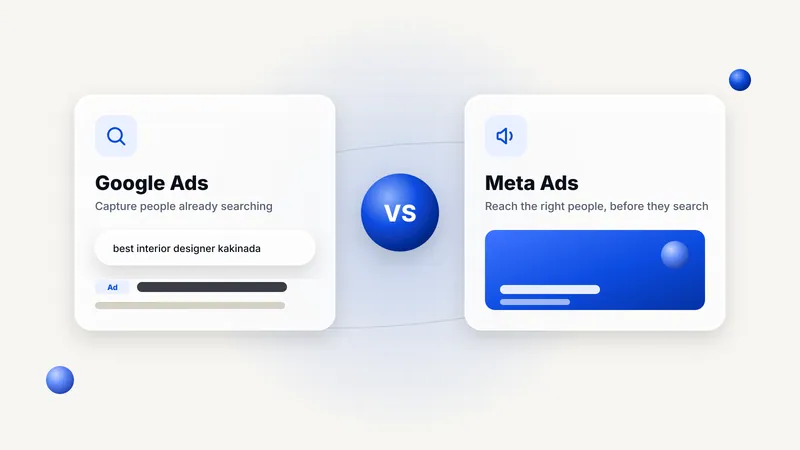
When running search or social ads, send traffic directly to dedicated landing pages or click-to-chat channels rather than your homepage. If your advertisement highlights residential painting services, the destination page should focus exclusively on residential painting, customer examples, pricing estimates, and an instant booking form. Aligning the advertisement directly with the landing screen keeps bounce rates low and improves conversion quality.
Step 4: Integrate Direct Messaging for Immediate Follow-Up
In the Indian market, long lead response delays kill sales. When an enquiry arrives through your website or social media channel, responding hours later drastically reduces conversion rates. Integrating direct messaging tools, such as business messaging platforms, allows you to acknowledge requests immediately.
Set up automated greetings that inform the customer when a team member will follow up. Provide quick menu options for common queries such as store locations, catalog downloads, or appointment scheduling. Prompt personal attention sets local businesses apart from distant national conglomerates.
Common Marketing Traps Indian SMBs Must Avoid
Many business owners spend marketing budgets on activities that produce little return. Staying alert to these common traps saves significant capital:
- Buying Fake Followers or Bot Reviews: Artificial engagement damages your reputation with real customers and violates platform guidelines. Algorithms quickly suppress accounts showing suspicious activity, while observant consumers immediately notice unnatural review patterns.
- Relying Exclusively on One Channel: Building your entire customer pipeline on a single third-party platform leaves your business vulnerable to unexpected account suspensions or fee increases. Maintain direct relationships through your own website, email list, and verified phone database.
- Ignoring Post-Purchase Communication: Securing a new customer often costs substantially more than retaining an existing one. Periodic updates, seasonal maintenance reminders, and loyalty offers keep past buyers engaged and encourage word-of-mouth referrals.
- Treating Digital Marketing as an Overnight Miracle: Building steady organic visibility through technical optimisation and comprehensive SEO and growth practices requires consistent effort over months, not days. Businesses that remain patient and refine their messaging steadily outperform competitors who constantly jump between disconnected tactics.
Measuring What Actually Matters
To determine whether your efforts are yielding commercial results, monitor metrics tied directly to business revenue rather than platform engagement scores. Track the following numbers every month:
| Metric | What It Measures | Why It Matters |
|---|---|---|
| Cost per Qualified Lead | Total campaign spend divided by genuine customer enquiries | Ensures advertising expenses stay within profitable margins |
| Lead-to-Customer Rate | Percentage of enquiries that result in an invoice or contract | Identifies whether your marketing is attracting the right audience |
| Customer Acquisition Cost | Total marketing and sales expense required to win one buyer | Prevents spending more to gain a client than they will spend with you |
| Direct Referral Volume | New inquiries originating from word-of-mouth or reviews | Validates overall trust and customer satisfaction levels |
Reviewing these numbers regularly allows you to allocate your monthly budget into channels that produce reliable income while cutting underperforming campaigns quickly.
FAQ
How much should a small business in India spend on digital marketing?
Most established small enterprises allocate roughly 5% to 10% of their gross revenue toward marketing. If you are starting fresh, begin with a modest monthly budget dedicated to local search presence and targeted ads, then scale your investment as you verify which channels generate paying customers.
Can I run marketing campaigns entirely on my phone?
While publishing social posts, recording short clips, and answering customer messages can easily be handled on a smartphone, tracking analytics, managing search campaigns, and structuring landing pages are far more accurate when executed on a desktop interface.
How quickly can an Indian small business expect results from online marketing?
Paid local advertising and click-to-message campaigns can generate enquiries within days of launching. However, building strong organic visibility, establishing authority on search engines, and accumulating authentic client reviews generally requires three to six months of steady execution.
Do I need to publish videos to succeed in Tier 2 and Tier 3 cities?
Video is a powerful tool because it builds familiarity and overcomes language barriers, but it does not need to be elaborate. Simple demonstrations of your product or honest walkthroughs of your workshop shot on a phone are often enough to validate your capability to cautious buyers.
Building a predictable, revenue-generating digital pipeline takes planning, consistency, and a clear understanding of your local market. If you want practical help tailoring a focused digital strategy for your company, reach out to our team through our contact page to discuss your business goals.